Selling a Home in a 55-Plus Community
Age-qualified neighborhoods have their own rhythm, their own rules and a smaller pool of eligible buyers. We buy these homes for cash, as-is, and work with the association's resale requirements.
- Cash purchase, as the house stands
- No repairs or clean-out needed
- No agent commission on a direct sale
- You choose the closing date
- Family welcome on every call
Why these sales are a little different

Many people choose a 55-plus community for the quiet streets, the clubhouse, the walking paths and neighbors at a similar stage of life. When it is time to move on, often because of health, a move to family or a need for more support, selling can feel different than it did with the family home. Buyers must generally fit the community's age policy, the association has paperwork that must be delivered, and some owners need to leave before a buyer can be found.
A Fast House Sale buys homes across the Las Vegas valley for cash and in their current condition, including homes in age-qualified communities. There are no repairs, no open houses and no agent's cut taken from the family's proceeds, and the owner decides when the move and closing happen.
The basics of 55-plus rules
Federal fair housing law generally prohibits discrimination against families with children. The Housing for Older Persons Act created an exemption for communities that qualify as housing for older persons. In general terms, a 55-plus community must have a large majority of its occupied homes, as the federal rule defines it, occupied by at least one person aged 55 or older; it must publish and follow policies showing that intent; and it must verify ages in the way HUD's rules require.
Each community writes its own policies within that framework. Some allow younger residents in a share of the homes; others set stricter limits on who can live there or for how long guests can stay. Your association's governing documents are the final word, and an attorney or the community manager can answer specific questions.
What this means for a buyer
Because occupancy rules apply to whoever lives in the home, the pool of buyers who intend to live there is generally narrower than in an ordinary neighborhood. A direct buyer can be a practical alternative when the owner needs to move sooner than the right resident buyer appears. We work within the community's rules about occupancy and leasing.
Reading your own community's documents
Before you sell, it helps to pull out the declaration, often called the CC&Rs, and the community's rules. Look for sections on age verification, occupancy, leasing and any approval the association requires for a new owner or resident. Some communities ask buyers to complete an age verification form, while others focus on the residents who move in. If anything is unclear, the community manager can usually point you to the right page, and an attorney can explain what it means for your sale. Knowing these details early helps the sale go smoothly and avoids surprises close to the closing date.
Talk It Over Before Anything Is Decided
Send the address and a few words about the move. A local person reads every note, phones you back, and answers questions for you and for anyone in the family you would like on the call.
If speaking is easier than writing, press the red TALK TO ALEX button and you will reach us by phone.
Association paperwork in Nevada
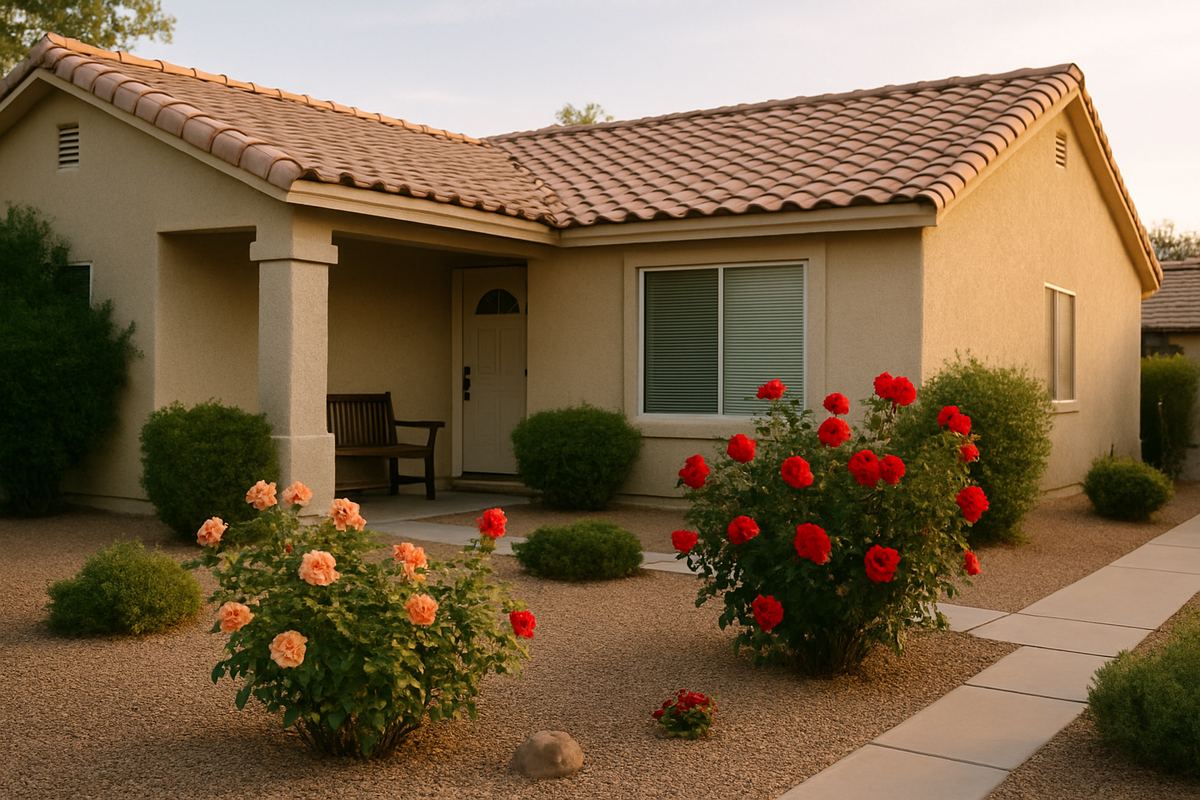
Most age-qualified neighborhoods in the valley are common-interest communities with a homeowners association. Nevada's common-interest ownership law, chapter 116 of the Nevada Revised Statutes, generally requires a selling owner to provide the buyer with a resale package. That package usually includes the declaration, bylaws, rules, a statement of assessments and any unpaid amounts, and any transfer or other fees connected with the sale. The association prepares the core certificate after a written request and may charge a fee for it.
Who orders it
In a sale to us, the title company typically coordinates the resale package with the association or its management company. Unpaid assessments and transfer fees are usually settled from the proceeds at closing. If there is a question about a violation notice or an unpaid balance, tell us early so it can be addressed.
Amenities, gates and access
Gated communities may need to add us or the title company's inspector to a visitor list. Clubhouse cards, pool keys and gate remotes are usually returned at or after closing, depending on the community's process.
Where 55-plus sellers are often going
The next step varies. Some owners are moving into assisted living or memory care. Others are joining family, or downsizing again to something even smaller. If the home has a reverse mortgage, the move may make the loan due, which is explained on our page about reverse mortgage payoffs after a move-out.
We buy in age-qualified neighborhoods such as Sun City Aliante in North Las Vegas, as well as in mixed-age areas where many longtime owners live, like Green Valley in Henderson.
When the owner has already moved
If the homeowner is already in care or living with relatives, the house may be sitting empty while HOA dues continue. We can walk through with a family member, and the paperwork can be signed by whoever holds legal authority.
Saying goodbye to neighbors can be the hardest part of leaving a community like this. Many owners have friends from the clubhouse, the card table or the morning walking group. There is no reason to rush those goodbyes; choosing a closing date a little further out often gives everyone time to share a last coffee and exchange new addresses.
Selling your 55-plus home to us
- Tell us the community name, the home's details and your preferred timeline.
- We arrange a visit through the gate or clubhouse process, and we see the home as it is.
- You receive a written cash offer and can review it with family or an adviser.
- The title company requests the HOA resale package, settles dues and fees at closing, and you pick the closing date.
The explanation of our direct purchase process gives the full picture, and our answers to frequent questions about HOAs and closing address many of the details owners ask about.
Things Families Often Wonder
Can a cash buyer purchase a home in a 55-plus community?
Generally, yes. Age rules in these communities apply to who lives in the home, not to who owns it, though each community writes its own policies on occupancy and leasing. We follow the association's governing documents, and the title company coordinates the required resale package. Check your community's rules if you have specific questions.
What is an HOA resale package?
Under Nevada's common-interest community law, a selling owner generally must provide the buyer with documents such as the declaration, bylaws, rules and a statement of assessments and fees. The association prepares a certificate for the package and may charge for it. In a sale to us, the title company usually handles the request.
What happens to unpaid HOA dues when we sell?
Unpaid assessments and transfer fees are usually settled at closing out of your parent's sale proceeds, handled by the title company. If you have received a violation notice or a collection letter, let us know early so it can be resolved as part of the sale rather than becoming a surprise.